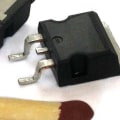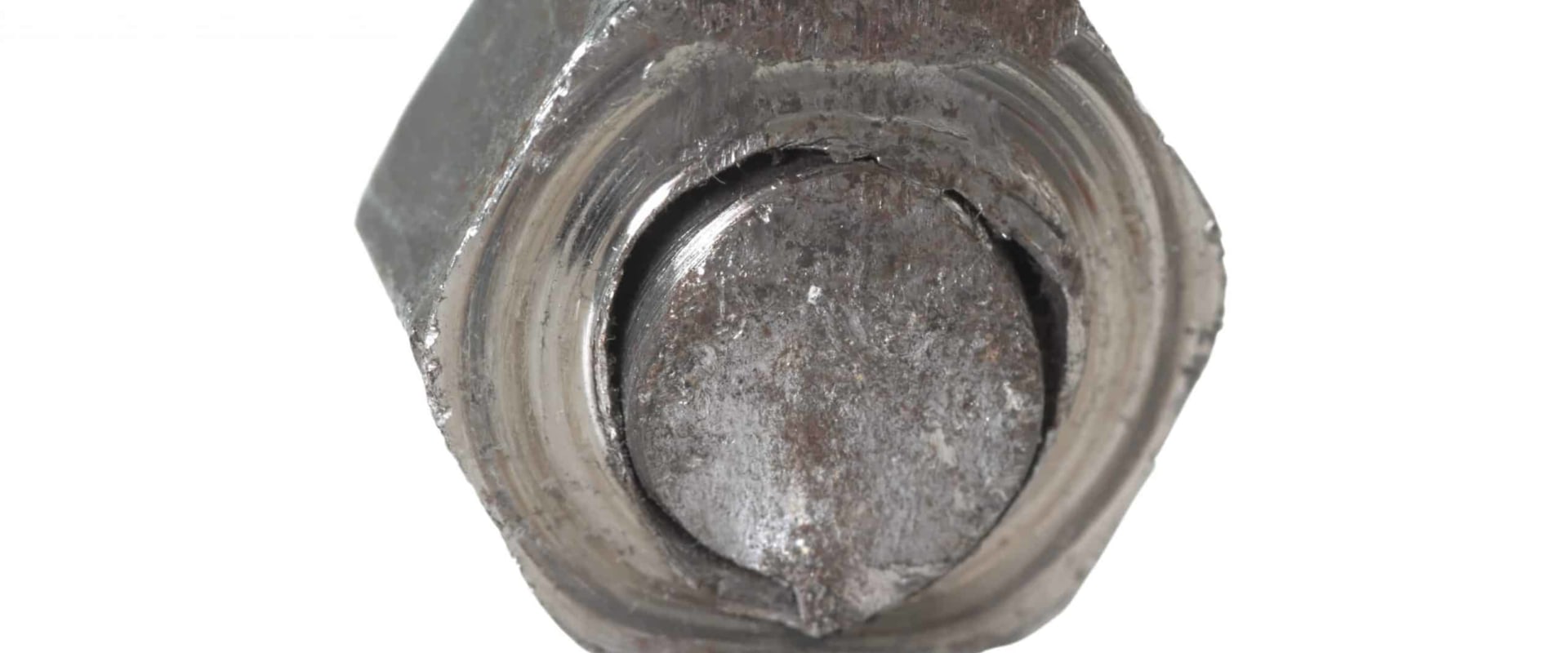
Thread wear is an overlooked but increasingly important factor in the long-term stability of solid-state components, especially as modern electronics push higher densities, tighter thermal envelopes, and more delicate mechanical interfaces. Solid-state devices such as power transistors, MOSFETs, voltage regulators, and heat-sink mounted ICs rely on threaded fastening systems that must maintain consistent clamping force over years of thermal cycling and vibration. When threads wear—either through repeated installation, abrasive contamination, or material fatigue—the mechanical integrity of the assembly begins to degrade. That degradation often emerges subtly: reduced torque retention, micro-shift during temperature changes, or progressive loosening under vibration. These minor mechanical shifts have major electrical consequences, particularly in power electronics where thermal dissipation relies on intimate contact between components and heat spreaders.
Thermal Expansion, Pressure Loss, and Contact Instability
Solid-state hardware experiences thermal swings as components warm under load and cool during idle. Threaded fasteners translate torque into clamping force, which ensures conductive pads, thermal interfaces, and insulating layers remain aligned and compressed. As threads wear, friction coefficients change and the conversion from torque to clamping force becomes inconsistent. The result is insufficient pressure holding a component to its heat sink or mounting plate. Even minor losses in clamping pressure can raise junction temperatures, accelerate aging mechanisms like electromigration, and reduce the operating margin engineers depend on to ensure lifetime reliability. In extreme cases, thermal runaway can occur if power devices no longer dissipate heat efficiently.
Vibration, Micro-Shift, and Electrical Consequences
Wear also reduces the ability of threads to resist vibration. Consumer devices, industrial controllers, and residential inverters encounter different vibration environments, but all solid-state systems share sensitivity to micro-shift between surfaces. Micro-shift damages thermal interface materials, breaks down insulating pads, and can shear or pinch wires. It also disrupts conductive paths designed to carry heat away, and in high-frequency systems, even slight misalignment can change electromagnetic coupling and noise behavior. Thread wear is therefore a mechanical problem with both thermal and electrical dimensions.
Materials, Corrosion, and Galling
Thread wear is not only caused by mechanical friction; it also arises through corrosion and galling when dissimilar metals interact under load. Aluminum heat sinks mated to steel or stainless fasteners are especially prone to galling in high-temperature environments. Once galled, threads seize, scrape, and deform, making rework unpredictable and reducing the lifespan of chassis or frames. Re-tapping or oversized fasteners may temporarily solve the problem but often compromise dimensional accuracy and alignment for sensitive components.
Quality Control and the Calibration Ecosystem
Because thread wear is progressive rather than binary, its prevention depends on accurate measurement and routine validation of threaded systems throughout production and service. Calibration firms make this possible by verifying thread tolerances, detecting wear early, and certifying that threaded interfaces meet their required specifications before assembly. Companies like Thread Gage Calibration support this ecosystem by enabling manufacturers to maintain consistent mechanical performance even as devices become smaller, hotter, and more powerful. Their role is quietly essential: without precision in the mechanical sub-layer, solid-state systems cannot achieve the electrical reliability or thermal stability demanded by modern designs.