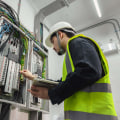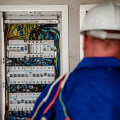
Solid state electrical components have become a cornerstone of modern home systems, offering improved efficiency, reliability, and performance compared to traditional mechanical devices. Unlike older components that rely on moving parts, solid state devices use semiconductor materials to control electrical flow. This allows for faster response times, reduced wear and tear, and greater durability over time. In residential settings, these components are commonly found in devices such as dimmer switches, smart thermostats, surge protectors, and power supplies, all of which contribute to a more advanced and responsive home environment.
Enhancing Efficiency and Energy Management
One of the key advantages of solid state components is their ability to enhance energy efficiency. These devices can regulate voltage and current more precisely, reducing energy waste and improving overall system performance. For example, solid state dimmers allow homeowners to adjust lighting levels with minimal energy loss, while advanced power management systems optimize electricity usage across multiple devices. This level of control not only lowers energy costs but also supports environmentally friendly practices by reducing unnecessary consumption.
Improving Reliability and Longevity
Solid state components are known for their durability and long lifespan, making them ideal for residential applications. Because they have no moving parts, they are less susceptible to mechanical failure and can operate consistently over extended periods. This reliability is particularly important in critical systems such as circuit protection and home automation, where consistent performance is essential. By incorporating solid state technology, homeowners can reduce the frequency of repairs and replacements, ensuring that their systems remain dependable over time.
Supporting Smart Home Integration
As homes become increasingly connected, solid state components play a vital role in enabling smart home technologies. Devices such as automated lighting systems, security systems, and smart appliances rely on solid state electronics to function effectively. These components allow for seamless communication between devices, enabling homeowners to control and monitor their systems remotely. Working with a knowledgeable local electrician can help ensure that these technologies are properly installed and integrated, maximizing their benefits and ensuring compatibility with existing systems.
Enhancing Safety and System Protection
Safety is another significant benefit of solid state electrical components. Many of these devices are designed to protect against electrical surges, overloads, and short circuits, reducing the risk of damage to appliances and wiring. Solid state circuit breakers and surge protectors respond quickly to changes in electrical conditions, providing an added layer of protection for the home. This rapid response helps prevent potential hazards and ensures that electrical systems operate safely.
Adapting to Modern Electrical Demands
Modern homes require electrical systems that can handle increasing demands from advanced technologies and appliances. Solid state components are well-suited to meet these needs, offering the flexibility and performance required for today’s energy-intensive environments. Their ability to adapt to changing conditions and support high-performance systems makes them an essential part of modern electrical infrastructure.
Building a Future-Ready Home System
Ultimately, solid state electrical components play a crucial role in shaping the future of residential electrical systems. By improving efficiency, reliability, and safety, these devices support the development of smarter, more sustainable homes. As technology continues to evolve, the integration of solid state components will remain a key factor in creating home systems that are both advanced and dependable, ensuring that homeowners can enjoy the benefits of modern living with confidence.